
What Happens to Cardiovascular Disease Risk After Menopause
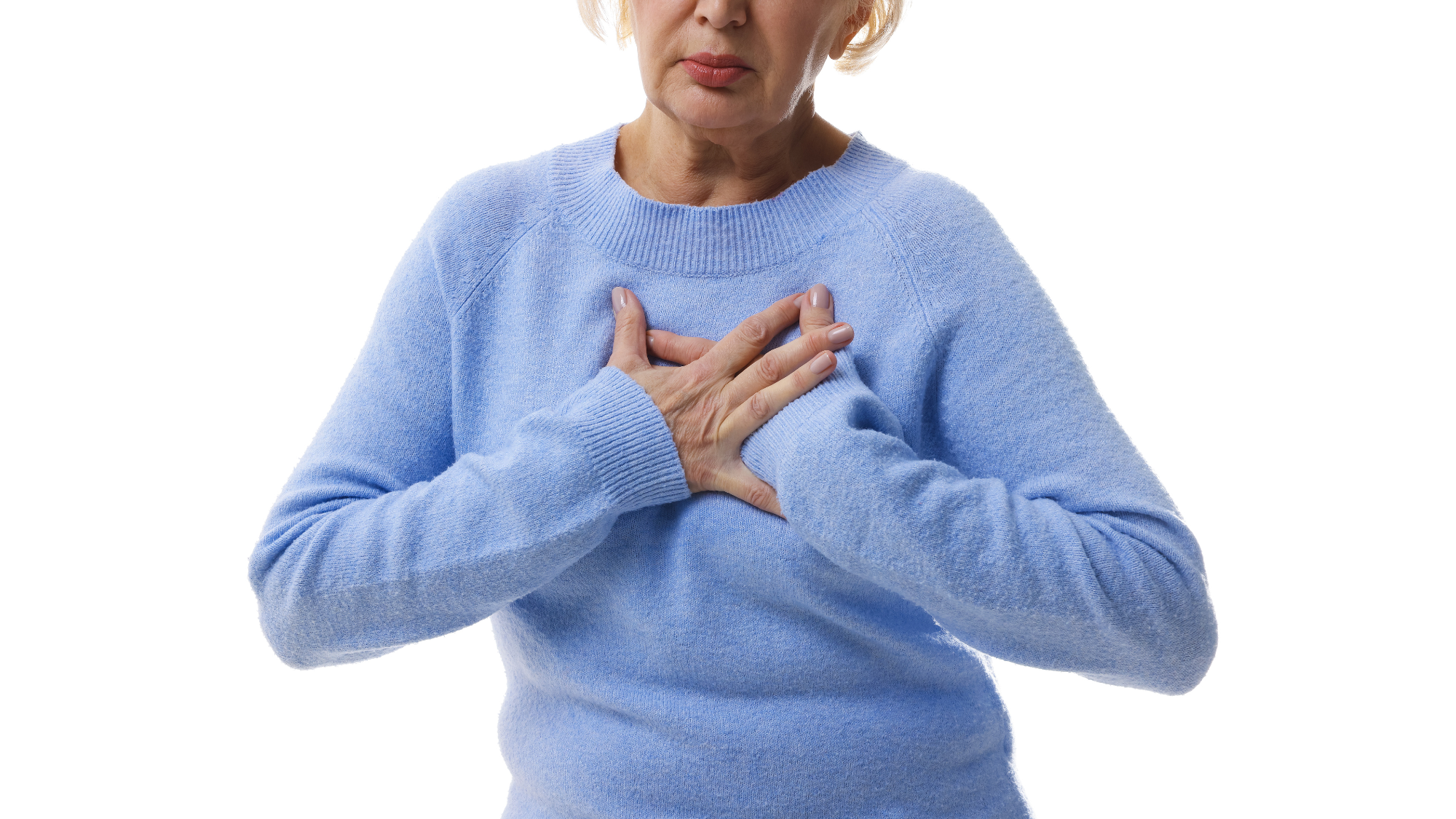
Why Does Menopause Change Heart Disease Risk?
For much of her life, a woman's cardiovascular system benefits from a quiet but powerful form of protection. Estrogen, the primary female sex hormone, supports healthy blood vessels, helps regulate cholesterol levels, and keeps inflammation in check. Then, with menopause, that protection begins to wane.
This is not a reason for alarm. It is a reason for awareness. Understanding how hormonal changes influence heart health allows women to take meaningful, proactive steps before risk has a chance to quietly accumulate.
What the Numbers Actually Tell Us
Heart disease had historically been thought of as a man's condition. That perception is inaccurate and, for women, potentially dangerous. Cardiovascular disease is the leading cause of death among women in the United States, and the risk rises substantially in the years following menopause.
Before menopause, women tend to have lower rates of heart disease compared to men of the same age. After menopause, that gap narrows considerably and women catch up rapidly in their risk. This shift is not inevitable, but it is real, and it underscores why the postmenopausal years represent such a critical window for cardiovascular evaluation and care.
What Happens Inside the Body
The hormonal transition of menopause sets off a cascade of physiological changes that can affect the heart and blood vessels in several important ways.
Cholesterol balance shifts. Estrogen helps maintain favorable cholesterol levels by supporting higher HDL (by some called "good" cholesterol) and lower LDL. After menopause, LDL levels tend to rise and HDL can decrease, a combination that may be associated with arterial plaque buildup over time.
Blood pressure often rises. Many women experience an increase in blood pressure during and after menopause, in part due to changes in vascular elasticity and hormonal regulation. High blood pressure is one of the most significant risk factors for heart attack and stroke.
Body composition changes. Fat distribution tends to shift toward the abdomen after menopause, a pattern associated with greater metabolic and cardiovascular risk. Even women who maintain a stable weight may experience this internal redistribution.
Inflammation can increase. Estrogen has natural anti-inflammatory properties. As levels decline, low-grade inflammation may increase, placing additional stress on arterial walls over time.
Insulin sensitivity may decrease. The postmenopausal time period is associated with a higher risk of metabolic syndrome, a cluster of conditions including elevated blood sugar, increased waist circumference, and abnormal cholesterol levels that together raise cardiovascular risk.
The Silent Risk Problem
One of the most important things to understand about postmenopausal heart disease is how quietly it can develop. Women are more likely than men to experience atypical or subtle symptoms of cardiovascular disease. Fatigue, mild shortness of breath, sleep disturbances, and even indigestion can sometimes be early warning signs that are easy to dismiss or attribute to the normal changes of aging.
This is precisely why routine cardiovascular screening becomes so important in the years following menopause. Waiting for a dramatic symptom to prompt a cardiology visit is a strategy that carries real risk.
Symptoms Worth Taking Seriously
It is worth knowing which signs warrant a conversation with a cardiologist, particularly because women's cardiac symptoms can present differently than the classic chest-pain pattern most people recognize.
Symptoms that deserve attention include:
Unusual or persistent fatigue, particularly with exertion
Shortness of breath during activities that previously felt easy
Palpitations or a fluttering sensation in the chest
Dizziness or lightheadedness
Discomfort in the jaw, neck, shoulders, or upper back
Swelling in the ankles or feet
Sleep disruption accompanied by sweating
None of these symptoms automatically indicate heart disease, but in the context of the postmenopausal transition, they warrant evaluation rather than reassurance without examination.
What a Proactive Cardiovascular Evaluation Should Include
For women entering or navigating the postmenopausal years, a thorough cardiovascular assessment goes well beyond a standard annual physical. A precision medicine approach considers the full picture of each individual's risk profile.
Key elements of a comprehensive evaluation may include:
Advanced lipid panel: Standard cholesterol tests do not capture the complete picture. Advanced testing can identify particle size, Lp(a) levels, and other markers that refine cardiovascular risk assessment significantly.
Blood pressure monitoring: Both resting and 24-hour monitoring can reveal patterns that a single office reading misses. A collection of blood pressure readings to better understand the ranges and averages of blood pressure over a longer period of time is helpful in diagnosing elevated blood pressure.
Coronary calcium scoring: A non-invasive imaging study that can detect early plaque buildup in the arteries, often before symptoms appear.
CT coronary angiography: A CT scan with contrast in some cases can identify non-calcified or soft plaque that forms prior to the development of visible calcified plaque.
Echocardiogram: An ultrasound of the heart that evaluates structure and function.
Ultrasound of the carotid arteries: An ultrasound of the carotid arteries can find both soft non-calcified plaque and calcified hard plaque in the carotid arteries that supply blood to the brain.
Comprehensive Metabolic panel: Assessing blood sugar, insulin sensitivity, and inflammatory markers provides a fuller picture of systemic health.
Family history review: Genetic predisposition plays a meaningful role in cardiovascular risk and should be carefully considered alongside lifestyle and hormonal factors.
Lifestyle as Medicine
The postmenopausal years are also a powerful time to invest in lifestyle strategies that support the heart. The changes happening inside the body are real, but they are also responsive to thoughtful intervention.
Nutrition: A diet rich in vegetables, fiber, lean proteins, and healthy fats supports vascular health and helps manage cholesterol and blood sugar. Reducing processed foods, refined carbohydrates, and excess sodium has a measurable impact on both blood pressure and lipid levels.
Movement: Regular physical activity supports cardiovascular function, helps manage weight, improves insulin sensitivity, and can positively influence cholesterol levels. Both aerobic exercise and strength training offer distinct benefits for heart health in postmenopausal women.
Stress management: Chronic psychological stress contributes to elevated cortisol, increased blood pressure, and inflammation. Practices such as mindfulness, yoga, and adequate rest are not indulgences; they are components of a genuine cardiovascular strategy.
Sleep: Poor sleep quality is increasingly recognized as a cardiovascular risk factor. Women navigating menopausal sleep disruptions should know this is worth addressing directly, not simply tolerated.
Tobacco avoidance: Smoking accelerates vascular damage and significantly amplifies postmenopausal cardiovascular risk. Cessation support should be part of any comprehensive care plan for women who smoke.
A Note on Hormone Therapy
The relationship between hormone replacement therapy (HRT) and cardiovascular risk has been a topic of ongoing research and, at times, considerable confusion. Current understanding suggests that timing matters significantly. For some women, initiating hormone therapy in early menopause may carry a different risk profile than beginning it later.
This is a nuanced conversation that deserves individualized attention rather than a blanket recommendation. A cardiologist working in close collaboration with an endocrinologist or gynecologist is well positioned to help a woman weigh the potential benefits and considerations based on her specific health history, symptoms, and risk factors.
Why Concierge Cardiology Makes a Difference for Women
In a traditional clinical setting, postmenopausal women's heart health often does not receive the depth of attention it warrants. Visits are short, screening protocols may not be tailored to individual risk, and the subtle, atypical nature of women's cardiac symptoms can be underappreciated.
Concierge cardiology changes that dynamic entirely. With unhurried appointments, direct access to a physician, and a care philosophy rooted in precision medicine, women receive the kind of individualized evaluation that allows emerging risk to be identified and addressed before it becomes a crisis.
At Cardiolucent in Beverly Hills, Dr. Ilan Kedan brings two decades of cardiovascular expertise to each patient relationship. His approach integrates advanced diagnostics, careful listening, and a commitment to understanding the full context of each woman's health, including where she is in her hormonal journey and what that means for her heart.
Final Thoughts
Menopause is a natural transition, not a medical emergency. But the cardiovascular changes it sets in motion are real, and they deserve the same informed attention that women bring to every other aspect of their health and wellbeing.
The most empowering step any postmenopausal woman can take is to move from passive monitoring to proactive evaluation. Understanding the terrain of your own cardiovascular risk means you are equipped to protect what matters most.
Because the goal is not simply a longer life. It is a fuller, more vibrant one.