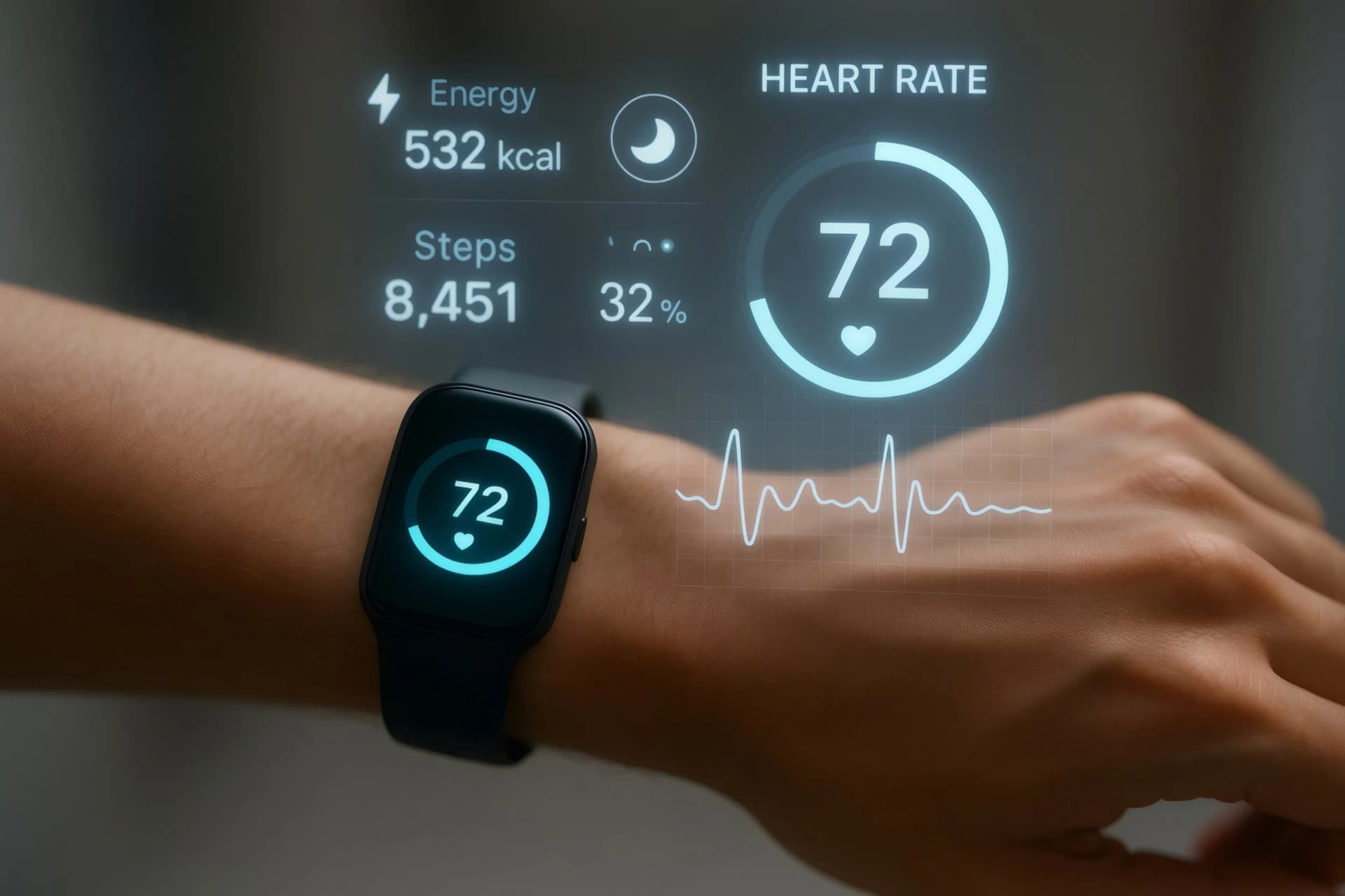
Cardiology is shifting from population-level protocols toward individualized assessment. Genetic and biomarker profiling, wearable data, longer-horizon risk equations and continuity of care are all pushing in the same direction: matching well-established tools more precisely to the individual patient.
Why Is Personalization the Next Frontier in Cardiology?
Cardiology has long been a field defined by groundbreaking technological advancements — from pacemakers to stents, echocardiograms to AI-interpreted ECGs. However, we are entering an era where technological sophistication is not the only goal. The central question has shifted: how can we better tailor these tools to the individual?
Personalized cardiology is not simply a trend; it is a fundamental redefinition of care. At its core is a recognition that every heart beats within a unique body, story, and context.
How Has Concierge Cardiology Redefined Preventive Care?
Concierge cardiology exemplifies a relationship-based, longitudinal, and holistic approach. It allows physicians the time and space to understand each patient in their full complexity, supported by tools like genetic profiling, wearable integration, and psychosocial analysis.
Longer horizons change younger patients' decisions
A 10-year risk estimate is reassuring for almost everyone under 50, which is precisely why it was a poor tool for them.
Estimating risk over 30 years makes a lifetime trajectory visible at an age when changing it is still straightforward.
More data is not automatically better care
Continuous monitoring generates a great deal of information, much of which does not change management. Distinguishing signal from noise is now part of the clinical task.
A useful practice tells you which numbers to watch and which to ignore, rather than encouraging you to watch everything.
Imaging is moving earlier
Coronary calcium scoring has moved from optional to a Class 1 recommendation for refining risk in selected patients, and bedside ultrasound has moved into the consultation room.
Both shift information earlier in the process, which is where it is most useful.
The relationship is still the technology that matters
Adherence, honest reporting of symptoms and sustained lifestyle change all depend on a working relationship with a physician who knows your history.
No amount of data substitutes for that, and the practices that do well are the ones that protect the time for it.
Access to what is proven still matters most
The largest gains available today come from doing established things well: measuring blood pressure accurately, treating lipids to target, and following up.
New tools are worth having. They are not worth having instead of the basics, and a practice that leads with novelty over fundamentals has the priorities backwards.
Common questions
- What does personalized cardiology mean in practice?
- Using risk assessment, biomarkers, imaging and family history to decide what a specific patient needs, rather than applying one protocol to everyone in a broad category.
- Are wearables clinically useful?
- They are useful for trends in activity, heart rate and sleep, and some detect irregular rhythms. They supplement rather than replace clinical assessment.
- Will artificial intelligence replace cardiologists?
- It is being used to assist interpretation of ECGs and imaging. Deciding what to do about a finding, with a particular patient, remains clinical work.
- Is genetic testing part of routine cardiology now?
- Not routinely. It is used selectively where family history or an unexplained finding makes it likely to change management.
- What has changed most recently?
- Risk estimation over 30 years as well as 10, wider use of coronary calcium scoring, and universal lipoprotein(a) screening.