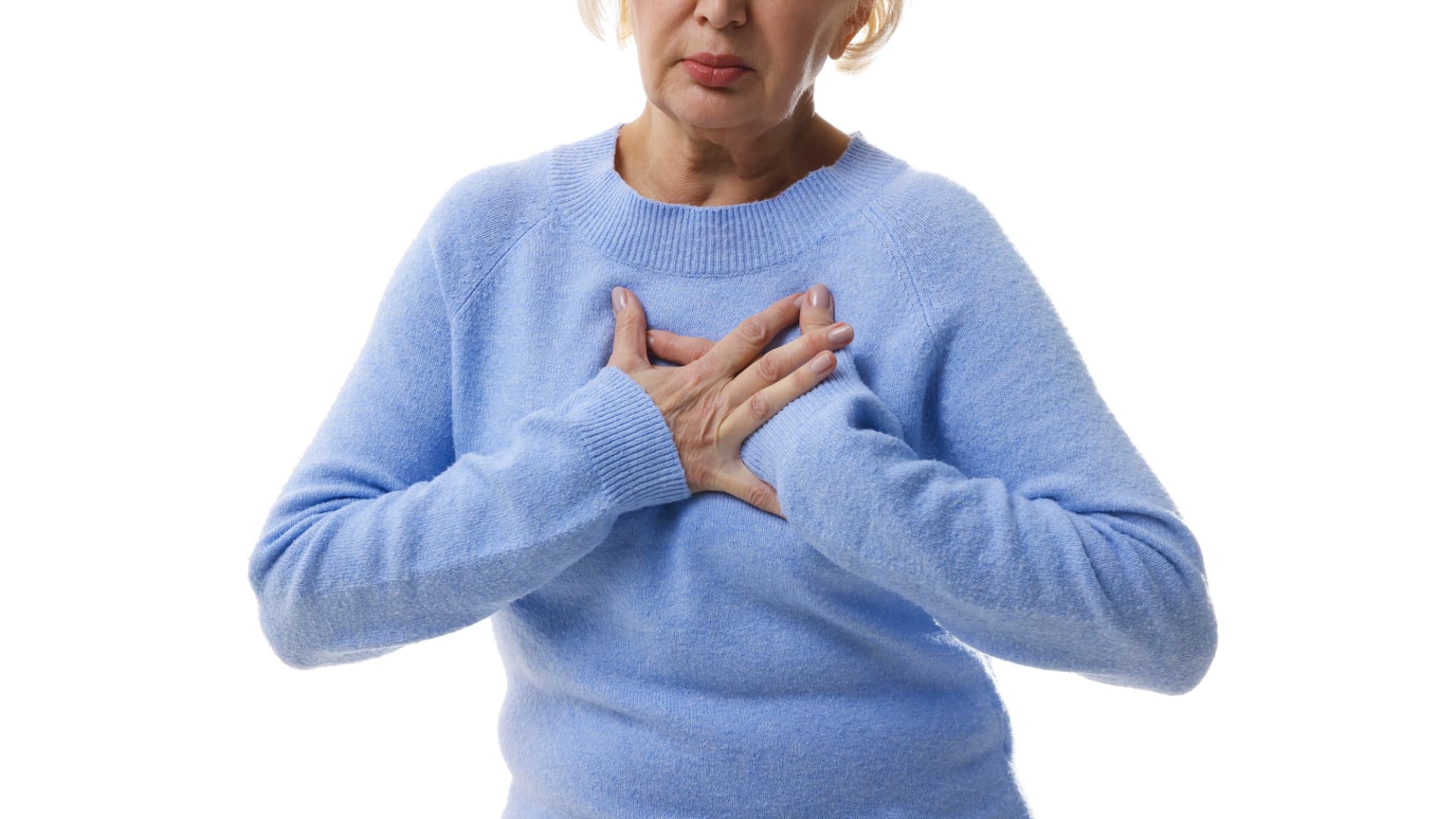
Cardiovascular risk rises through and after the menopausal transition. Estrogen decline is associated with rising LDL cholesterol, falling HDL, increasing blood pressure, greater insulin resistance and unfavorable changes in fat distribution. The transition is therefore a natural point to reassess risk formally rather than assume nothing has changed.
Why Does Menopause Change Heart Disease Risk?
For most of her life, a woman's cardiovascular system benefits from a quiet but powerful form of protection. Estrogen, the primary female sex hormone, supports healthy blood vessels, helps regulate cholesterol levels, and keeps inflammation in check. Then, with menopause, that protection begins to shift.
This is not a reason for alarm. It is a reason for awareness. Understanding how hormonal changes influence heart health allows women to take meaningful, proactive steps before risk has a chance to quietly accumulate.
What the Numbers Actually Tell Us
Heart disease has historically been thought of as a man's condition. That perception is outdated and, for women in their postmenopausal years, potentially dangerous. Cardiovascular disease is the leading cause of death among women in the United States, and the risk rises substantially in the years following menopause.
Before menopause, women tend to have lower rates of heart disease compared to men of the same age. After menopause, that gap narrows considerably. This shift is not inevitable, but it is real, and it underscores why the postmenopausal years represent such a critical window for cardiovascular evaluation and care.
What Happens Inside the Body
The hormonal transition of menopause sets off a cascade of physiological changes that can affect the heart and blood vessels in several important ways.
- LDL cholesterol tends to rise while HDL cholesterol may decline
- Blood vessels may lose some of their flexibility and responsiveness
- Blood pressure often increases as vascular tone changes
- Metabolic shifts can lead to increased abdominal fat and insulin resistance
- Inflammatory markers may become more elevated
What Can Women Do?
The most important step is awareness — and then action. Scheduling a comprehensive cardiovascular evaluation around the time of menopause allows your cardiologist to establish a baseline and monitor for changes over time. From there, a personalized prevention plan can be designed, including lifestyle modifications, targeted lab work, and imaging as needed.
Reassess rather than assume
A lipid panel from several years before the transition may no longer describe you. The same is true of a blood pressure reading that was comfortably normal at 45.
Treating the transition as a prompt to re-measure is straightforward and frequently changes what is recommended.
Timing of menopause carries information
Early or premature menopause is associated with higher long-term cardiovascular risk, and surgical menopause has its own considerations.
If either applies to you, it belongs in the conversation, because it affects how aggressively risk factors are managed.
Sleep and blood pressure often move together
Sleep disruption is common through the transition, and poor sleep is associated with higher blood pressure and worse metabolic markers.
Sleep apnea also becomes more common after menopause and is frequently undiagnosed in women. It is worth raising if sleep has changed.
Building the plan
The useful output is not a single reassurance but a plan: which numbers to follow, how often, and what would trigger a change in treatment.
That plan is best made with your own physician, who can weigh the full picture rather than any one measurement.
Common questions
- Does risk rise suddenly at menopause?
- It rises through the transition rather than at a single moment, and the changes in lipids and blood pressure are measurable over that period.
- Should I have my cholesterol rechecked?
- Rechecking around the transition is reasonable, because values commonly shift. Your physician can advise on timing.
- Does hormone therapy reduce cardiac risk?
- It is not prescribed for cardiovascular protection. Whether it is appropriate for you is a decision for your own physician based on your full picture.
- What else changes besides cholesterol?
- Blood pressure tends to rise, insulin resistance becomes more likely, and fat distribution shifts toward the abdomen. Each carries cardiovascular weight.
- Is there anything that reliably helps?
- Regular activity including resistance training, attention to blood pressure, sleep, and a formal risk assessment so that treatment decisions are based on numbers rather than assumptions.