Diagnostics
Assessment of Arrhythmia
Palpitations, near-syncope, AFib, family history of arrhythmia, abnormal wearable data and alerts — a thorough arrhythmia evaluation reviews the rhythm data AND the cardiac structure and function. We do this in the office.
What a real arrhythmia workup requires
Rhythm and structure — not just one.
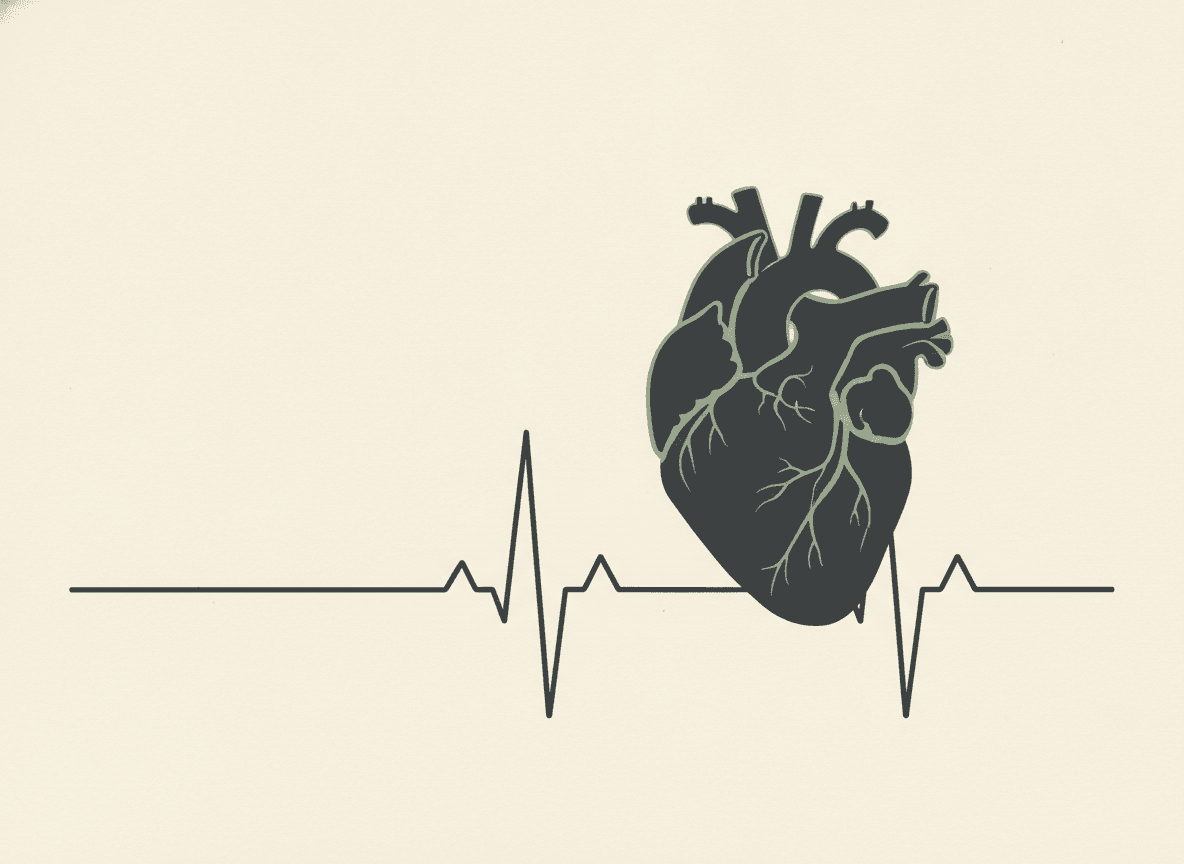
Many arrhythmia workups focus on the rhythm only: an EKG, maybe an ambulatory monitor, and a decision tree based off the tracings. That misses something important. The structure and function of the heart — chamber size, wall thickness, valve function, ventricular performance — drives a meaningful share of triggers for symptomatic palpitations, ectopy, and atrial fibrillation. A rhythm-only evaluation can spot the abnormal beat but miss a treatable association or reason it's happening.
At Cardiolucent every arrhythmia assessment evaluates both. We look at the electrical architecture and the structural anatomy in the same visit.
The Cardiolucent workup
EKG, complete POCUS, and the right monitor for your pattern.
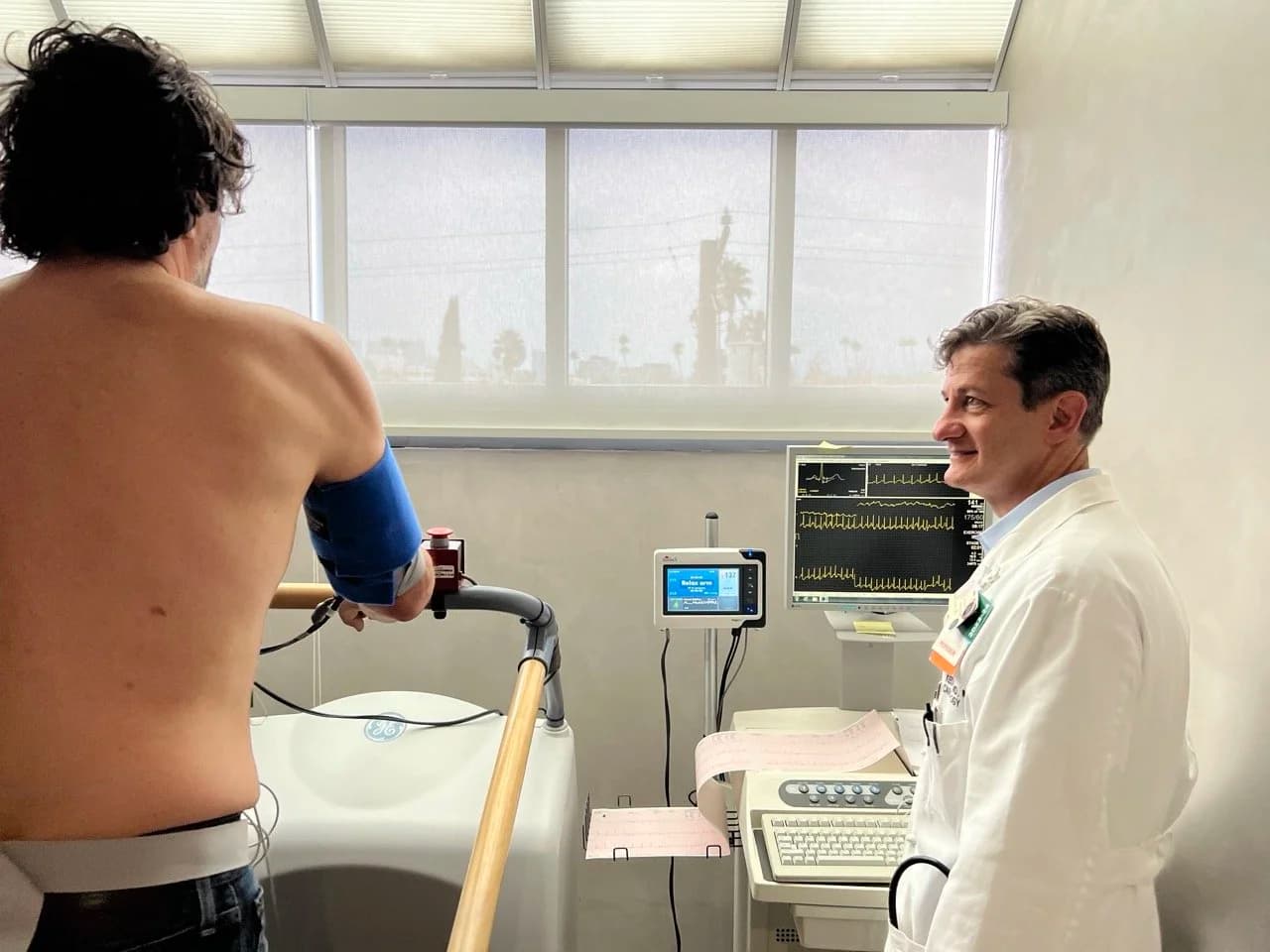
Every arrhythmia evaluation includes a 12-lead EKG, a complete in-office point-of-care ultrasound (POCUS) exam — assessing chamber size and function, valve structure, pericardium, and volume status — and a careful clinical history focused on triggers, frequency, duration, and accompanying symptoms.
From there we determine a diagnostic pathway that will frame a personalized treatment plan.
From palpitations to AFib to the wearable that won't stop alerting.
Arrhythmia evaluation at Cardiolucent commonly covers atrial fibrillation (new diagnosis, recurrence, or rate vs. rhythm strategy decisions), premature atrial and ventricular contractions (PACs and PVCs — when they're benign and when they're not), supraventricular tachycardia, previously unknown ventricular tachycardia, symptomatic and asymptomatic bradycardia, syncope and pre-syncope work-up, palpitations during or after exercise, increased risk of arrhythmia due to a strong family history, and the increasingly common "my watch keeps telling me I'm in AFib" conversation. Each pattern has a different evaluation path — we map it deliberately rather than running one workup for every patient.
An assessment, a plan, and clear next steps.
You leave the visit with a cardiologist's clinical impression, a structured monitoring plan if monitoring is indicated, interpretations of prior tracings and cardiac data brought in, and clear next steps — whether that's reassurance and observation, medication management, lifestyle modification (caffeine, alcohol, sleep, stress, electrolyte monitoring), or referral to a cardiac electrophysiologist or other specialist for procedural management (possible ablation, pacemaker / defibrillator workup, other possible procedures/surgeries/diagnostics).
Built for patients who want clarity, not a checklist.
This evaluation fits patients with palpitations of any frequency; new or recurrent atrial fibrillation; near-syncope or unexplained syncope; abnormal alerts from a wearable device that seek a cardiologist's opinion; family history of arrhythmia or sudden cardiac death; symptoms during or after exercise that don't fit a clear pattern; and patients with existing arrhythmia diagnoses who want an expert cardiologist's review of their current management, and second opinions.
Common Questions
Frequently Asked Questions
What does an arrhythmia evaluation at Cardiolucent include?
Why does the evaluation include cardiac ultrasound (POCUS) instead of just an EKG?
I have alerts from my Apple Watch / KardiaMobile / Fitbit — can you review those?
Do you treat atrial fibrillation, or do I need to see an electrophysiologist?
What if my symptoms are infrequent? Is it still worth coming in?
What should I bring to the visit?
How is this different from going to a standard cardiology practice for the same problem?
Explore
Related Services
FibroScan Liver Scan
A painless, 15-minute liver stiffness and fat scan for $250 cash, with no weeks-long wait. Interpreted by Dr. Ilan Kedan in Beverly Hills.
Learn moreVO2 Max Testing
Gold-standard VO2 max testing using the COSMED K5 wearable metabolic system. The single best predictor of cardiovascular fitness and longevity, performed and interpreted by Dr. Ilan Kedan in Beverly Hills.
Learn moreAdvanced Lipid Management and Cholesterol Treatment Strategies (Lipidology)
Advanced lipid management goes beyond basic cholesterol testing.
Learn moreCardiac Arrhythmia Management
Longitudinal management of arrhythmia — medical therapy, anticoagulation strategy, lifestyle optimization, and coordinated, expedited access to electrophysiology when ablation or device therapy becomes the right step.
Learn more